Food is the basic necessity of life. The food we eat or the food we serve in the plate is both just a dish, but it is an emotion, love or the memory for our loved ones. It is very true that the food that can be prepared with love and emotions is super delicious and tasty because in that food it is to be said that we can mix our love in that particular food item. The food dish served in the different regions of the whole world is the cultural identity, a history, a lifestyle and an emotional connection. The particular food dish that can be prepared in the particular region of the world is unique because that particular dish contains unique spices. Unique technique and unique flavours.
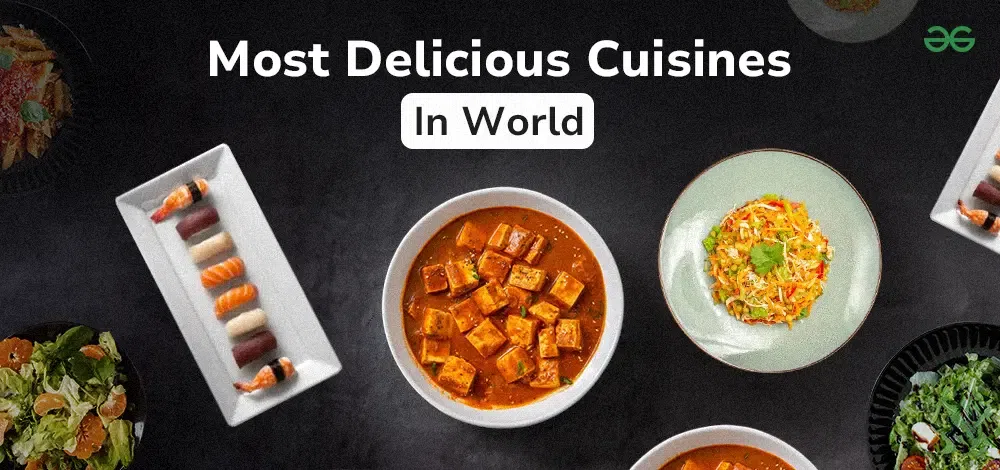
So, when we compare Indian food vs international food, we are essentially comparing the two different worlds of flavours, spices, techniques and philosophies. India's culinary heritage is one of the oldest techniques in the world, the flavours, the spices of indian cuisine is the oldest one that can connect us without history our culture while the culinary heritage of international cuisine can bring a change in the culinary world. The aim of the international culinary heritage is to bring the new change in the cooking techniques and in the flavor of the dishes. While comparing Indian with International food we usually comparing the two different worlds of cuisines and in these two different worlds we usually comparing each and everything like the techniques, flavours, differences, similarities, uniqueness, diversity, cooking methods, cultural background and flavor profiles of Indian vs international cuisines.
Introduction to Indian Cuisine: -
As we all known that Indian food is one of the most diverse, oldest, ancient and flavor full food. As India is full of many unique traditions, cultures and religions similarly the food of India is also different in taste, flavors, and spices. Indian cuisines cannot reflect only the taste and the flavors of the dish but it also reflect the country's vast geography, long history, rich culture and the deep rooted traditions which can simply tell us the Indian cuisines still attached to its ancient roots and that roots can be reflected in the dishes in the form of flavors, spices, taste or the presentation.
As India is a combination of many different regions, so each region of India offers its own unique ingredients, cooking techniques, spices and the signature dishes that makes the Indian food a vibrant fusion of tastes, aromas and the colors. Indian cuisines is a special type of cuisines that cannot be based on the single flavors or the single taste, but it can provide us many types of flavors like sweet, spicy, salty, sour, bitter and tangy. We can make many different dishes from these types of different flavor, but we can also get the taste of all these spices even in a single dish this is a type of indian cuisine. Indian cuisines can emphasize the balance of flavors, textures, nutrients and the spices that play a major role not only for the taste but also for the medicinal and preservatives properties. There are various types of ingredients such as rice, wheat, lentils, vegetables, dairy, and a wide variety of herbs and spices that helps to create the endless combination of the dishes.
Introduction to International Cuisine: -
In reference to the Indian cuisine, international cuisine can also refer to the diverse food traditions, cooking methods, ingredients, and cultural eating practices that comes from the different countries or the different regions across the world. From the word international cuisine, we mean to all the food items or the dishes that can be prepared outside the India that dish is to be considered as international cuisine. As India is a country similarly the world is full of many different countries and all that countries is full of many different regions where many different people can be lived that belong to different religions and can have their different and unique recipe of any particular dish that can enhance the list of international cuisines. Each cuisine may come from the list of Indian cuisine or international cuisine can reflect the history, geography, climate, agriculture and cultural identity not only of the state or nation but also of the people who creates and enjoy their dishes. While each and every region, state, religion or each and every country has its own unique food culture that they enjoy a lot, but the globalization had removed all these distances between the food culture as globalization has made international cuisines easily accessible, allowing people everywhere to taste new and different cuisines. Before globalization the food culture of each and every religion can be limited to few people because it is very difficult for the international people to think, prepare or taste the food item of different culture so there authentic dishes can be limited to them only but after the globalization all the dishes become world famous dishes because now any people can access or can taste any of the dishes because all the dishes are very easily available in world food market.
International cuisines are not only the simple dishes that can be prepared or eaten internationally but is a celebration of diversity that showcase how different cultures transform the local ingredients into distinctive meals. With the help of globalization not only the international cuisines but also the ingredients or each and every dish can be easily made available and accessible in the national and international market. As every different country, and every different state can have different climate so the crop that can be cultivated in that different regions may vary in various categories may be of taste, color, size and texture. The ingredient is same, but it may vary in their physical properties and taste which has enough capacity to change the flavor and taste of the whole dish or the whole meal.

.jpeg)



0 Comments